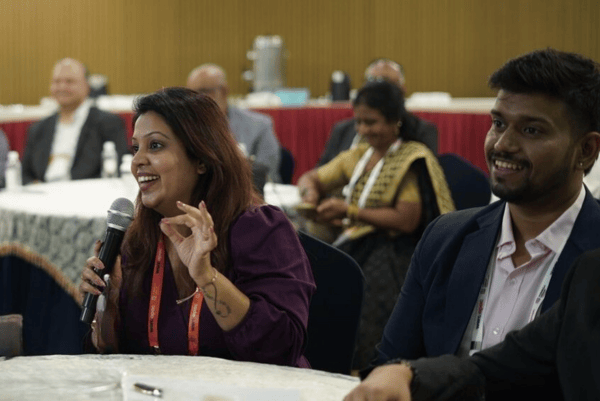
On 3 July 2026, WERC APAC hosted its first-ever workshop in Hyderabad, bringing together global mobility professionals in Hyderabad for a full day of sessions and shared learning. AltoVita joined the conversation alongside mobility leaders from Micron, HSBC, Salesforce and Boeing, contributing to a panel on temporary housing and employee experience alongside mobility leaders from across the industry.
Although each session focused on a different aspect of mobility, a common message emerged throughout the day:
Mobility is no longer just about moving people. It is about helping the business succeed and temporary housing is one of the most important parts of the whole programme.
Here are some of the key themes that stood out.
How to Grow a Mobility Programme
HSBC · Sirva · Microsoft
The opening panel explored what it takes to scale a global mobility programme successfully. HSBC shared how a single team in Hyderabad manages relocations across more than 50 locations by building one consistent operating model first, then adapting it to local requirements rather than creating separate processes for every market. Sirva and Microsoft demonstrated how centralising communications, documents and case management gives both mobility teams and employees greater visibility throughout the relocation journey.
The discussion around AI was notably balanced. Rather than replacing consultants, technology was seen as a way to remove administrative work so mobility professionals can spend more time supporting employees.
"Mobility is not just about moving people. It is about moving emotions." — HSBC, Global Mobility
Room takeaway: scaling a programme is less about increasing headcount and more about creating consistent processes supported by the right technology.
Moves Within India: Cash Alone Is Not Enough
Sterling Lexicon · Agarwal Packers · Formula Group
Employee expectations of domestic relocations are changing. People increasingly expect the same digital experience they have with services like Amazon or Uber. Providing a cash allowance and asking employees to manage the rest is no longer enough. The panel discussed how combining financial support with professionally managed relocation services creates a smoother, less stressful experience while still giving employees flexibility.
The session also highlighted the realities of moving within India, where cultural preferences, regional differences and rapidly growing Tier 2 cities often require a more tailored approach. A story shared during the session about a poorly managed move that resulted in an employee being hospitalised was a powerful reminder that domestic relocations deserve just as much attention as international assignments.
"A cash allowance can solve your expenses. It cannot solve your stress." — Domestic Mobility Panel
Room takeaway: Every family is different. The best programmes keep the process standard but make each move personal.
Keynote: The Future of Mobility in APAC
Benny Tan, Altair
The keynote explored the forces reshaping mobility across the Asia-Pacific region, from the continued growth of Global Capability Centres (GCCs) in India to rising employee expectations for digital experiences and the increasing role of AI. As mobility becomes more closely aligned with business strategy, organisations are being challenged to balance consistency with local expertise.
The standout moment was the doorman lesson: a hotel replaced its doorman with an automatic door to cut costs, and lost the warm welcome, the directions and the human touch that came with it.
Three themes stood out from the keynote:
1. Think of results, not just moves: Mobility should be measured by business outcomes, not simply by completed relocations.
2. One global standard, local delivery: Global policies work best when they provide consistency while allowing for local delivery.
3. Automate carefully: AI should remove repetitive work without replacing the human moments that employees value most.
Temporary Housing & Employee Experience
AltoVita · Altair
-1.png?width=284&height=245&name=APAC%20(32)-1.png) Temporary accommodation has often been treated as a logistical requirement or a procurement decision, but the panel positioned it as something much broader. Housing sits at the intersection of mobility, business travel, procurement and employee experience. While business travel is more transactional, relocation housing shapes an employee's first impression of their new assignment and can influence the entire experience.
Temporary accommodation has often been treated as a logistical requirement or a procurement decision, but the panel positioned it as something much broader. Housing sits at the intersection of mobility, business travel, procurement and employee experience. While business travel is more transactional, relocation housing shapes an employee's first impression of their new assignment and can influence the entire experience.
"The question is no longer where someone stays. It is who owns that experience." — Benny Tan, Altair
The discussion highlighted an ongoing challenge across the region: the shortage of quality serviced apartments in Tier 1, Tier 2 and emerging cities. As organisations continue to expand into new markets, ensuring employees have safe, comfortable accommodation is becoming an increasingly important part of delivering a successful assignment.
Room takeaway: Safe and comfortable is not the same as cheap. If your budget is too low, and someone will pay for it in quality.
Duty of Care: What Real Care Looks Like
Mobility leaders, service partners, and an employee's own story
The most human moment of the day came from an employee ten months into her Hyderabad move. While her policy covered everything it needed to on paper, what she remembered most was the support she received from people who helped her navigate unfamiliar processes, answered questions and checked in throughout the move.
The wider discussion reinforced that duty of care is built through consistent communication, realistic expectations and genuine ownership of the employee experience. Often, the smallest action, like providing regular updates, has the greatest impact on reducing stress during relocation.
"Safe and uncomfortable are two very different things. No update is also an update." — Duty of Care Panel
Room takeaway: Care is something you do, not a document. Help people before they have to ask.
Roundtables: AI and Technology
The final roundtable brought together many of the themes discussed throughout the day, focusing on the practical role AI should play in mobility. There was general agreement that automation can significantly improve repetitive tasks such as documentation, case tracking and status updates. Empathy, judgement, reassurance and understanding how an employee is feeling, remain responsibilities that technology cannot replace.
Rather than debating whether AI should be adopted, the conversation focused on how to implement it responsibly. The biggest obstacles were seen as data privacy, legal considerations and organisational change, with participants agreeing that starting with simple, well-defined workflows is the most effective approach.
"AI will not fix a weak operating model. It will expose it faster." — Benny Tan, Altair
Bringing the Day Together: Six Key Takeaways
Looking across the day's discussions, six clear lessons emerged:
- Fix problems before they happen. Identify potential delays or issues early, and take action before they impact the employee experience.
- Go beyond financial support. For domestic moves in India, combine cash allowances with professional services that help employees navigate the practical and emotional challenges of relocation.
- Keep employees informed throughout the journey. Regular communication builds confidence and reassurance, even when there is no major update to share.
- Let AI handle repetitive work. Use technology for tasks such as documentation, status tracking, follow-ups and routine updates.
- Protect the human moments. Keep empathy, judgement and personal connection at the heart of relocation. Technology should strengthen these moments, not replace them.
- Start AI adoption with a clear purpose. Focus on simple, well-defined workflows first. The biggest challenge is often not the technology itself, but helping people adapt to new ways of working.
The message the room kept returning to was clear: make the process predictable and efficient through technology, while keeping people focused on care. That is where mobility programmes can create the greatest value.
Dive deeper into India’s mobility landscape
The future of mobility in India will be shaped by how organisations balance technology, consistency and human experience. To explore more insights into how corporate accommodation is evolving across the market, read our Top 9 Trends Shaping Mobility and Corporate Accommodation in India, featuring perspectives from AltoVita’s Bengaluru roundtable with industry leaders.